 GuitarChords.net
Wonderful Tonight began while waiting
Eric Clapton was waiting. On September 7, 1976 he and Pattie Boyd were due at the first Buddy Holly party Paul and Linda McCartney held, the start of what became a yearly party. Boyd was upstairs trying on dresses and worrying about her hair and clothes. Clapton sat with a guitar downstairs.
In a 2008 Guardian interview, later retold by American Songwriter, Boyd said she came downstairs expecting him to be mad that she had taken so long. Instead he told her to listen, and played what he had just written. Guitar World places the same scene in 1976: Clapton wrote Wonderful Tonight while waiting for Boyd to finish getting ready for that party. Accounts of the writing guitar name a 1974 Martin 000-28 in his hands that night, as Guitar World notes.
The song is calm on purpose. He was not trying to build a stadium riff. He was marking time while someone he loved got ready, and the chords stay close enough that a beginner can follow them without a capo.
They recorded it for his 1977 album Slowhand. Discogs releases for that RSO LP list Glyn Johns as producer and date the album to 1977, with the U.S. single following in 1978. Marcella Detroit (then Marcy Levy) and Yvonne Elliman sang the soft harmony parts behind Clapton's lead. George Terry played rhythm guitar beside him. The track helped Slowhand reach a wide pop audience after a quieter prior album.
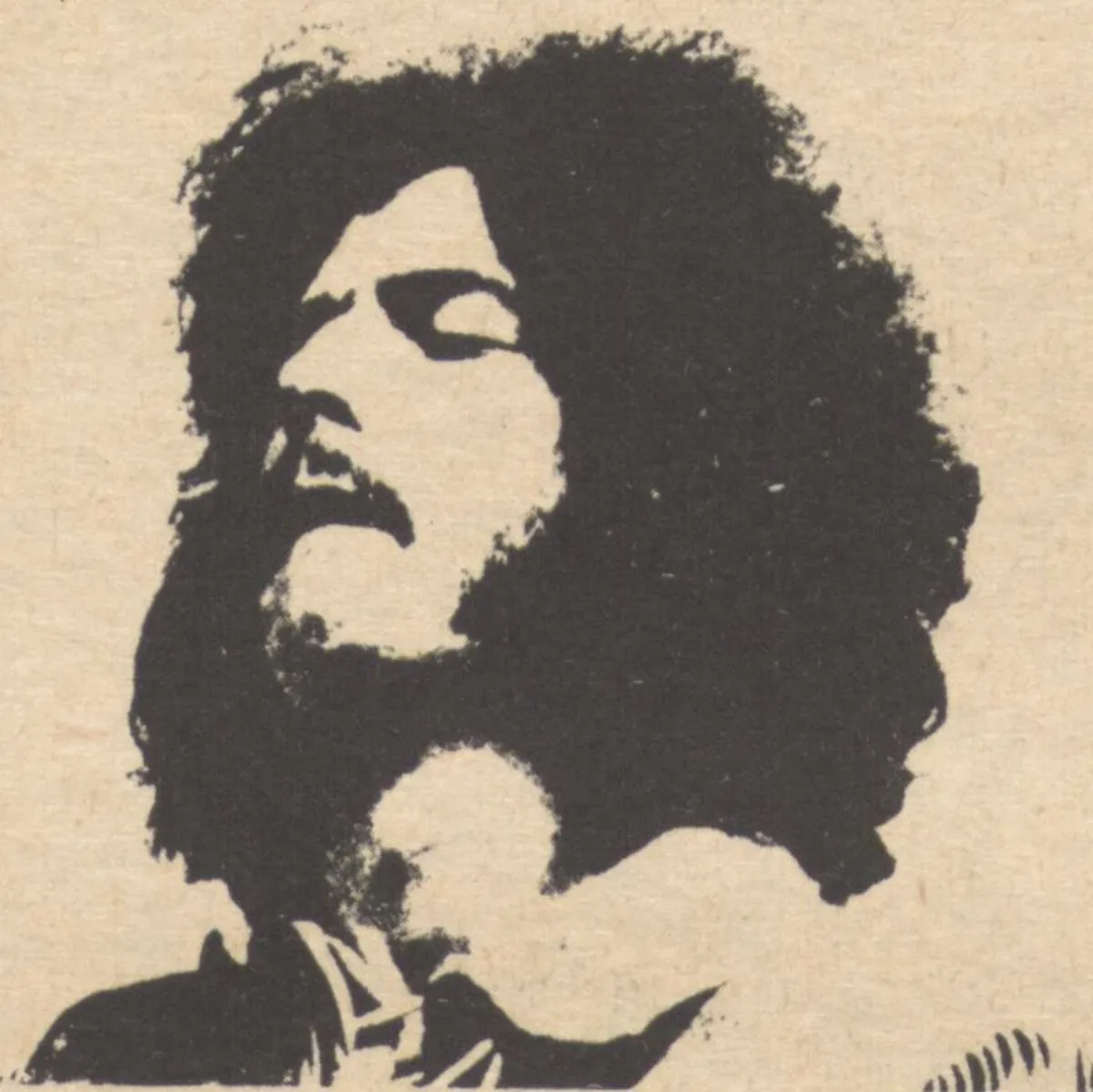
The song lives in G major. Beginner charts and teacher walk-throughs agree on a simple circle: G, a D major shape often with F sharp in the bass, C major, and D again for the main line. The lift moves through C, D, G, then E minor (Em), and back through C and D to G. No capo is required. The changes stay in open shapes a new player can reach in one sitting.
Clapton's guitar part is calm and clear. He leaves space between the chords so the vocal can sit on top. That is useful for a beginner too: play less, listen more, and let G feel like home. If the D-with-F-sharp bass feels awkward at first, a plain open D still keeps you inside the song while your fretting hand learns the step.
Boyd has said the surprise was the kindness in the moment. He did not scold her for being late. He had turned the wait into a tune. That is a good lesson for practice nights at home as well: when you are stuck waiting, keep the guitar on your lap and see what a quiet G circle can hold.
Want the waiting-room version under your hand? Open G, stroll to D and C, touch Em for the soft turn, and come home to G major. That grip is the quiet yes at the heart of the song.