 GuitarChords.net
Here Comes the Sun began in a garden
George Harrison needed a day away from Apple Corps. In early 1969 the Beatles' company felt, he later wrote, like school: sign this, sign that. Spring finally came after a long English winter. One day he skipped the accountants and drove to his friend Eric Clapton's house.
Clapton lived at Hurtwood Edge in Ewhurst, Surrey. Harrison walked the garden with one of Eric's acoustic guitars. In his book I, Me, Mine he says the relief was wonderful, and that the song Here Comes the Sun came out right there. Clapton later recalled the scene for Martin Scorsese's film George Harrison: Living in the Material World, as quoted by Far Out. He said George showed up, started playing, and bit by bit fleshed the idea out on a bright spring morning in the garden. Clapton thought the month was April.
Harrison finished the words that June on holiday in Sardinia. The Beatles cut the track at EMI Studios on Abbey Road in London. Mark Lewisohn's session book, as summarized with the song's credits and matching a Discogs Apple LP for Abbey Road, places the first rhythm takes on July 7, 1969, with more work through mid-August. John Lennon was in the control room, still recovering from a car crash, and he did not play. The basic track was Harrison, Paul McCartney, and Ringo Starr. Harrison later added more acoustic guitar, a Leslie electric line, and a Moog part before the mix was done.
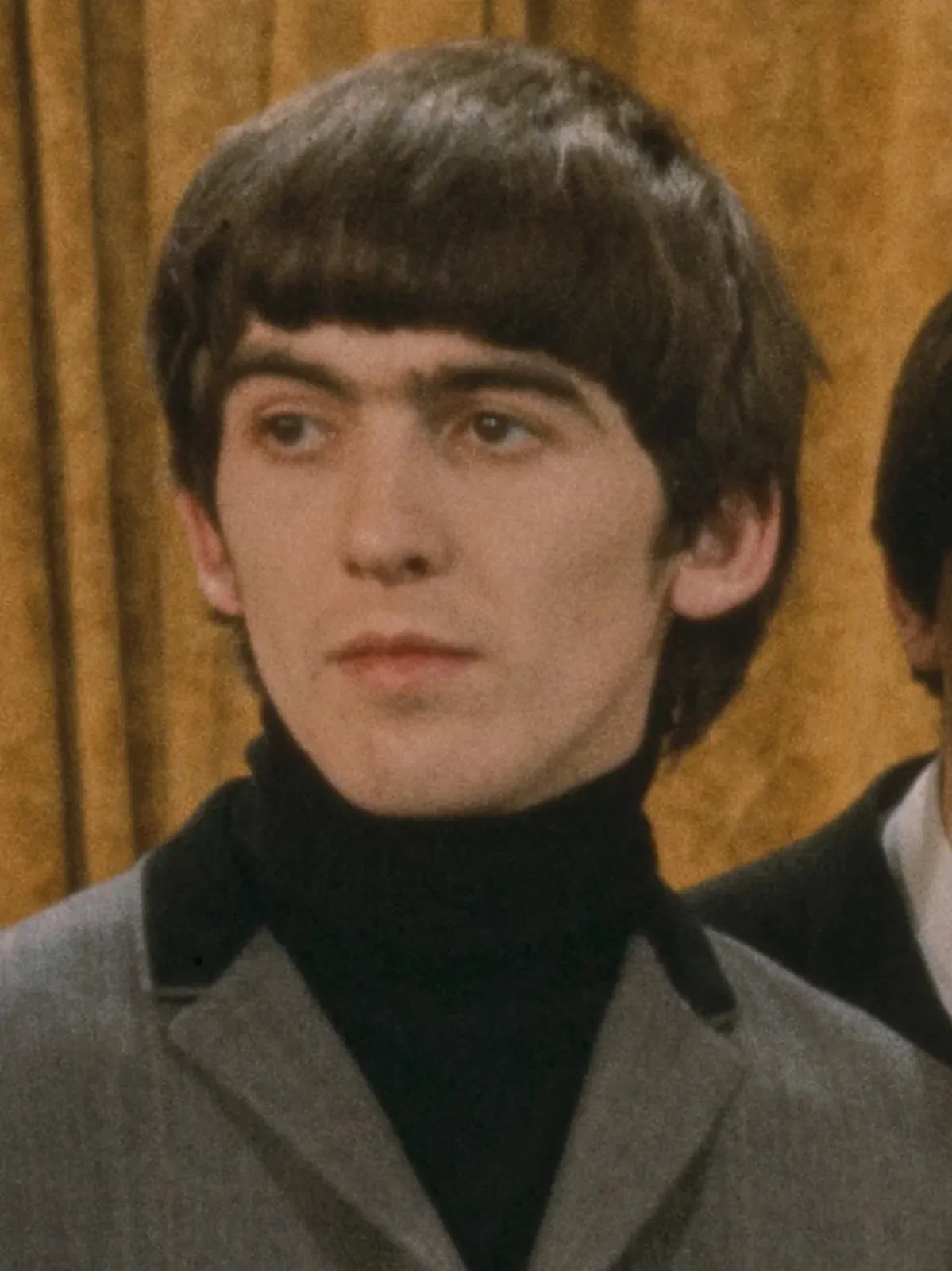
On the record the song sits in A major. The session record puts the capo on the seventh fret for the acoustic part. A capo is a clamp that shortens the strings so open shapes sound higher. With that capo he could keep easy open shapes while the guitar rang in A. Teacher charts that follow the capo-7 cut use D major, G major, and A dominant 7 (A7) shapes for the verse. Under the capo those shapes sound as A major, D major, and E dominant 7 (E7). The bridge keeps the same capo and walks an F major shape, then C major and G, before the song comes home to A.
You do not need a Moog or a garden in Surrey to start. Clamp a capo on fret 7, put a D shape under your fingers, and walk D to G to A7 until the circle feels steady. Keep the changes gentle. The song is bright because the chords are close, not because you play hard.
Want that spring-day feel under your hand? Capo on seven, open D shapes, and let the walk land on A major. That grip is the sunny door into the song.